


Early Life
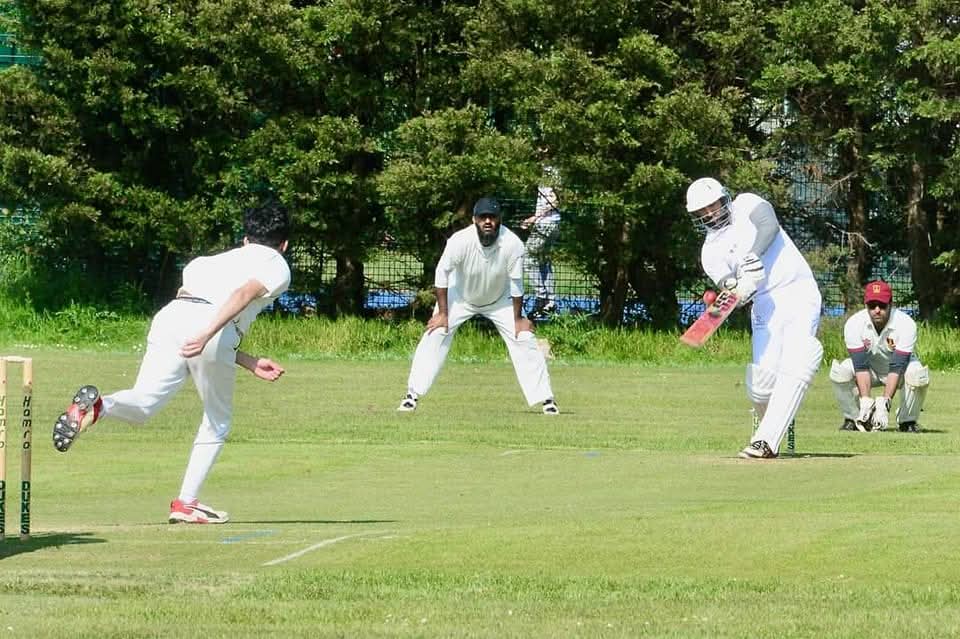
I was born in Lahore in 1986, but the first few years of my childhood were spent in Dubai, where my father served as a soldier in the UAE Army. In 1990–91, my mother and I returned to Pakistan and settled in Gujranwala with my paternal family. Growing up in Gujranwala, I completed my early education there and developed a deep passion for cricket.
From a young age, I dreamed of representing Pakistan, inspired by the greats of that era. The 1999 Pakistan World Cup team, in particular, left a lasting impression on me, fueling my ambition to be part of the game I loved.
Cricket, even then, was more than a sport to me. It was identity, belonging, and hope.
The Heartbreak (1999)
By 1999, my love for cricket had grown immensely, and I was fully invested in the game. However, when Pakistan lost the World Cup final, the harsh criticism and ridicule directed at the team deeply affected me. It was heartbreaking to see the players I admired being scrutinized so intensely.
Overwhelmed by emotion, I walked away from the game, unable to bear the disappointment.
Looking back, this moment shaped me deeply. It showed how unforgiving the system could be — not just to players, but to dreams themselves. It was my first real encounter with how talent, emotion, and public judgment collide without protection.
Struggles and Hardships (1999–2010)
The years from 1999 to 2010 were filled with trauma, heartbreaks, and relentless struggles. As a sportsman who had once dreamed of making it big, losing my way from the ground left a void that nothing else could fill.
Life, however, had its own plans, testing me with one challenge after another. I took on small jobs while managing to complete my education, earning a BA despite the difficulties. It was an incredibly tough time for my family, and I worked tirelessly to support them financially, doing whatever I could to help make ends meet.
This period taught me something cricket never formally teaches:
how many dreams disappear quietly — not because of lack of talent, but lack of structure, guidance, and opportunity.
A New Beginning (2010–2014)
After years of hardship, in 2010, I made the difficult decision to leave Pakistan and pursue higher studies in the UK, hoping for a better future.
I carried cricket with me — not on the field, but in thought. Watching the game from a distance, I began to see patterns: talent wasted, systems rigid, and decisions rarely explained. The game I loved was evolving commercially, but not structurally.
The Pursuit of a Dream (2014 and Beyond)
In 2014, I made the bold decision to leave the UK and return to Pakistan, fully committed to my dream of playing for my country. I dedicated myself to intense training for months, regaining my rhythm and confidence in the game.
With my passion reignited, I took a leap of faith and wrote a letter to the then Chairman of the Pakistan Cricket Board (PCB), Shaharyar Khan Sahab (Late), requesting an opportunity. His initial response was a rejection — he advised me to play club cricket and not seek shortcuts.
Determined, I wrote to him again, explaining that Pakistan had legends who were given opportunities despite not playing extensive domestic cricket, purely because of their exceptional talent. I expressed my belief that on my best days, I could win matches for Pakistan, and that my good days would outweigh the bad.
This time, I was called to the National Cricket Academy (NCA) in Lahore.
However, I soon realized I was being deceived by the lower management, who blocked my path.
As time passed, PCB’s leadership changed, and Najam Sethi took over as Chairman. I repeated my request, writing him a letter with the same appeal. Once again, I was called to the NCA, but history repeated itself — the local management tricked me, shutting the doors on my aspirations.
What I experienced was not just personal rejection.
It was a systemic failure — one where talent has no transparent pathway, no accountability, and no protection.
The Road Back to Cricket
Life in Pakistan became more challenging, and those around me advised me to return to the UK and leave my dream behind. But I refused. I chose to stay, determined to fight against all odds and continue chasing my dream of playing for my country.
As life moved forward, returning to the game became increasingly difficult. Responsibilities weighed heavily on me, and I had to focus on supporting my family financially. In 2019, I got married, embracing a new chapter of life.
Then, in 2020, the world was hit by COVID-19. Amidst the chaos, I lost my father. Just 11 months later, I lost my mother as well.
The shock was overwhelming. I found myself lost, struggling to cope with the sudden void in my life.
Why Digital Cricket Exists
It took time to heal. But reflection brought clarity.
I realized my journey was not unique.
Millions of young cricketers experience the same cycle:
Talent without visibility
Passion without structure
Emotion without protection
Dreams lost silently
Digital Cricket is my response to that reality.
It exists so:
Talent does not disappear quietly
Young players are guided, not discarded
Test cricket is preserved through thinking, not shortcuts
The next generation remains emotionally attached to the game — without being destroyed by it
A Comeback With Purpose
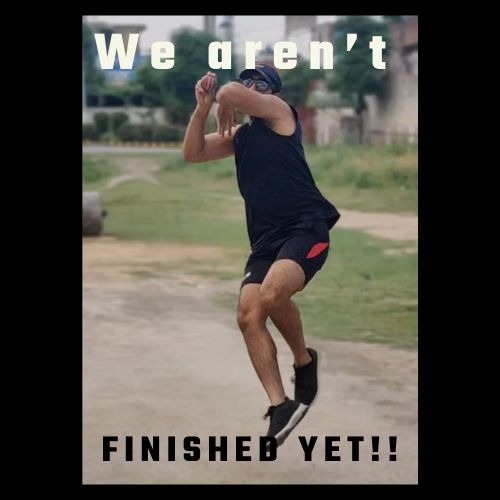
Today, I have decided to return to cricket once again — not just as a player, but as a Digital Cricketer.
I believe I can still contribute to my country — if not only on the field, then by shaping systems that protect the game I love.
Digital Cricket is not rebellion.
It is preservation.
Preservation of:
Talent
Test cricket
Cricket psychology
Emotional connection between fans, players, and the game
Final Reflection
My journey taught me that cricket does not fail because of lack of passion.
It fails when passion is left without structure.
Digital Cricket is my commitment to ensuring that future generations do not have to lose the game to understand it.